


Have you ever thought about gardening without turning over the soil? Sounds like a dream, right? Welcome to the delightful world of no dig gardening. This simple yet effective technique allows us to cultivate vibrant gardens while minimizing our physical effort and environmental impact. In this text, we’ll explore the ins and outs of no dig gardening, all while keeping it fun and accessible. Let’s dig in, minus the digging.
What Is No Dig Gardening?
No dig gardening, as the name suggests, is a method that skips the traditional practice of turning and disturbing the soil. Instead of tilling, we layer organic materials directly onto the ground, allowing worms and microorganisms to aerate the soil naturally. This approach not only preserves soil structure but also enhances its fertility over time. We’re basically letting nature do the heavy lifting, and our gardens thrive as a result.
By adopting this technique, we cultivate healthy plant ecosystems without the stress of back-breaking work. Imagine thriving plants, rich soil, and fewer weeds, all without ever needing to reach for a shovel. Sounds enticing, right?
Benefits of No Dig Gardening
There are plenty of reasons why no dig gardening is quickly becoming a preferred method for many of us gardeners. Here are a few standout benefits:
Soil Health: By allowing organic matter to build up on the surface, we promote a thriving community of beneficial microbes and worms that enhance soil fertility. Keeping the soil intact minimizes erosion and supports its natural balance.
Less Weeding: Those pesky weeds don’t stand a chance here. With the organic layers acting as a barrier, weeds find it tough to grow through, making our gardening life a whole lot easier.
Water Conservation: A no dig garden holds moisture better than turned soil, leading to less frequent watering. This means we save time, effort, and water while keeping our plants happy.
Sustainable Approach: It’s eco-friendly from start to finish. By reusing kitchen scraps and garden waste, we contribute to a sustainable cycle right in our backyards.
Accessibility: For those with physical limitations, this practice is a game-changer. No need for heavy labor lets all of us enjoy the benefits of gardening.
How to Start a No Dig Garden
Ready to jump into no dig gardening? Here’s how we can set up a flourishing garden without breaking our backs.
Essential Materials for No Dig Gardening
To get started, we need a few essential materials:
Cardboard or Newspaper: These layers act as a weed suppressant.
Compost: Rich in nutrients, compost helps feed our plants.
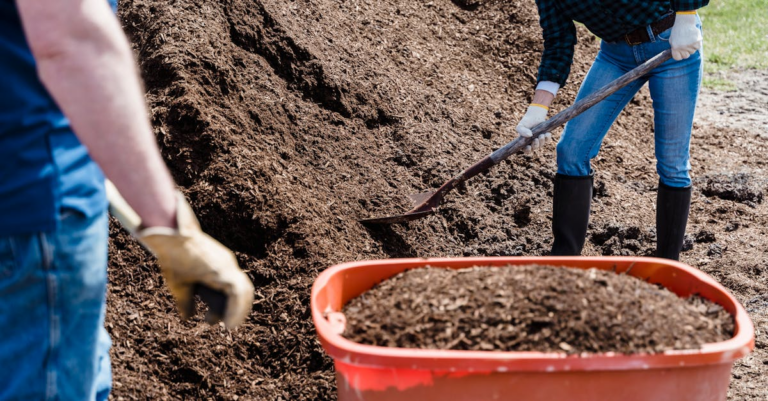
Organic Mulch: Straw, leaves, or wood chips keep moisture in and weeds down.
Manure or Worm Castings: A fantastic way to add even more nutrients.
Optional Add-Ons: Products like a soil thermometer or moisture meter can be handy, especially for beginners.
Step-By-Step Guide to Setting Up Your No Dig Garden
Choose Your Location: Find a sunny spot in your yard where you want to create the garden.
Clear the Area: Remove any large debris or rocks. You don’t have to worry about pulling up every weed, letting them decay can be beneficial.
Lay Down Cardboard or Newspaper: Cover the area with overlapping pieces to block out weeds.
Add Compost: Spread a generous layer of compost over the cardboard, about 4-6 inches thick.
Top with Mulch: Finally, add a layer of mulch to help retain moisture and keep weeds at bay.
Let It Sit: Allow the layers to decompose for a few weeks before planting. Feel free to use any vegetable or flower seedlings or seeds that excite us.
Maintaining a No Dig Garden
Maintaining our no dig garden is remarkably straightforward. Here’s what we need to keep in mind:
Top Up the Layers: Every season, we should add more compost and mulch to maintain those nutrient-rich layers. It encourages the chili critters to continue their work and keeps our plants nourished.
Weed Management: While weeds are minimized, they can still pop up occasionally. We can easily remove any stubborn intruders by hand.
Monitor Moisture: Pay attention to the soil moisture: if it feels dry, it may be time to add water. The beauty of no dig gardening is that our plants thrive in a more stable climate.
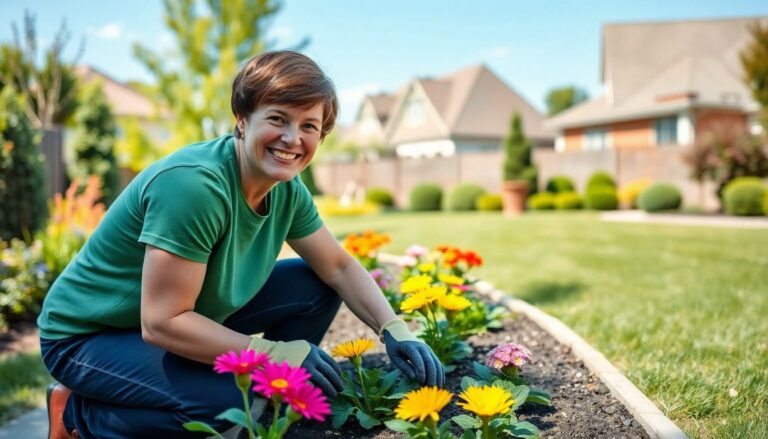
Seasonal Planting: With a no dig approach, we can choose to grow whatever vegetables, flowers, or herbs we like throughout the seasons.
Common Challenges and Solutions in No Dig Gardening
Like any gardening method, no dig gardening has its share of challenges. Here’s how we can tackle them:
Initial Setup Costs: Building the layers might require initial investment in materials like compost and mulch. Over time, but, these costs will balance out, allowing us to use more organic waste and reduce expenses.
Not Getting Enough Nutrients: In the early days, we might worry about nutrients in the soil. Regularly replenishing layers with compost ensures our plants never starve.
Pests: A layered garden can attract critters. To manage them, we might consider introducing beneficial insects or using nature-friendly pest repellents.
The beauty of no dig gardening is in the adaptability of our solutions, allowing us to fine-tune our approach year after year.